A number of years ago, I attended a sprawling, caffeine-fuelled all-agency-all-morning briefing session. The client’s marketing team outlined their ambitious plans for their big launch. Their seemingly boilerplate strategy deck covered digital, social, CTV and influencer partnerships, but OOH received no mention. Not a single slide or image, not even a casual mention of “maybe some posters.”
6 months later, the campaign’s highlight was a massive immersive experience and installation in New York. It generated more earned media than everything else on the original deck combined.
This pattern repeats itself, and I don’t believe it’s coincidental.
Some of the most impactful OOH work I’ve witnessed, both as an observer and participant, never started as an outdoor brief. It began as a creative idea, a story or an experience that needed a tangible presence to resonate. The physical world became the canvas not because someone ticked a box on a media plan, or briefed a particular agency, but because the idea demanded it.
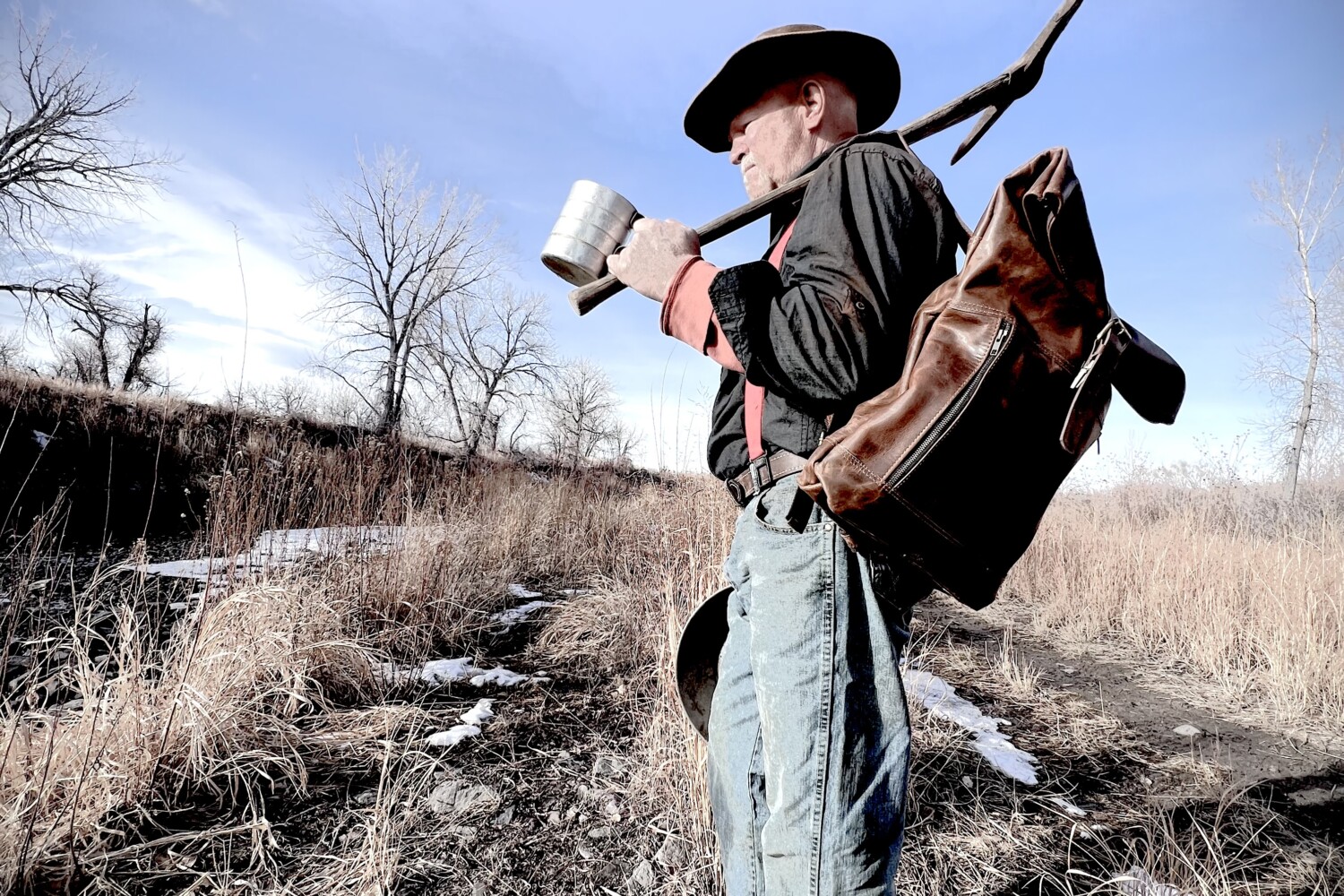
Consider this: when I originally conceived the #3GoldCups campaign for a client at Proximo for Tincup Whiskey, the initial brief centred on adventure and community engagement. It wasn’t an “OOH” specific brief – more a “how-can-we-show-up-for-audience” kind of brief. However, where we ended up – hiding gold cups in the wilderness, using geolocated media formats for clue deployment, tracking the geocache prize boxes with GPS, capturing the hunters and hunts with drones and trap cameras – well, I guess that’s pure OOH in its essence. It simply didn’t follow the traditional channel planning route. The idea found the medium, not the other way around. OOH media did play a part, as did social, digital, experiential and print media. But the idea found them, not the other way round.
On reflection, the same principle applied to the Disney Parks #MyDisneySide activation in New York. It originated as a brand engagement brief and conversation over a beer in ‘the best curry house’ in Orlando… with my old friend, and fellow Brit [hence the curry house] Duncan Wardle. 6 months later, and roping in the formidable Jay Hatcher and team, that chat had evolved into a four-day live experience in Long Island, New York, witnessed by 5,000 people in person and subsequently over 400 million on screens around the globe. No one briefed “a massive outdoor stunt.” The creative thinking organically led us there.
These 2 anecdotes reveal something crucial about OOH’s place in the modern marketing mix. It’s no longer merely a format included in a media plan; it’s a behaviour. Brands and smart marketeers are seeking authentic, trusted, tangible and shareable moments – experiences rather than mere scrolls – inevitably find themselves in the physical world, whether they intended to or not. Because the power of doing it for real is immense.
Our industry faces a challenge: ensuring the right creative minds are involved in early conversations, not waiting for a brief with “outdoor” already scribbled on it or filtering something to a creative thinker because it’s out of the ordinary. By then, you’re executing someone else’s idea, interpretation, agenda or brief. The magic lies in shaping the idea itself, demonstrating to creatives and strategists that the real world isn’t just a distribution channel but a storytelling platform.
As Hugh Todd recently told me, the best work we see in OOH feels like an actual event, not advertising. Because, shock horror: real-world experiences carry a weight unmatched by pre-rolls, posts or programmatic displays.
So, next time OOH isn’t on the briefing agenda, don’t despair.
Get in the room anyway.
Listen more intently.
The idea that ultimately dominates the physical world might already be present in the room.
It simply hasn’t realised it yet.