Phone eats first”—this is what someone shouted at me as I was about to tuck into a beautiful plate of freshly prepared, hand-rolled deliciousness on a recent trip. I guess we truly live in the age of the social influencer… But this interaction also points me to a trend we’ve heard a lot about recently: the ‘Experience Economy’—an economic model made famous by Pine and Gilmore in the ’90s, where businesses prioritize creating memorable, immersive experiences for consumers, often valuing them more highly than their actual goods or services. It’s clear that the power of social media, and the ‘fame’ associated with posting about your personal experiences, has played a pivotal role in amplifying this trend. People crave moments worth capturing and sharing with their followers—and the world.
As brands explore innovative ways to communicate with active consumers, we’re seeing this trend hit the film, TV, and production world through much better branded content than we’ve ever seen before. My pal Rich Philip, a Fractional CMO and co-founder of The Lake Tahoe Project—a strategically focused creative consultancy aimed at clients looking to change the way they approach modern brand marketing—recently wrote to me:
“Over the last decade, brands have leaned heavily on performance marketing: fast, transactional, and hyper-targeted. While effective for driving short-term results, it often falls short in building lasting loyalty. As brands seek deeper, more immersive connections with consumers, we’re seeing a shift toward high-quality branded content in film, TV, and production. This shift is part of a broader move toward experiential marketing, where brands move beyond the land grab of impressions and invest in meaningful, interactive experiences that leave a lasting impact. Even luxury fashion brands are beginning to embrace this shift, moving beyond their traditional high-end advertising approach to engage new audiences through narrative-driven content. Prada’s recent campaign is a prime example, marking a step change from traditional luxury advertising to storytelling that captivates and connects, providing more food for your phone and social circle.”
For consumers, interest in outdoor activities like biking, hiking, glamping, wellbeing, health, and adventure sports has grown significantly, reflecting a broader cultural focus on mental health, sustainability, and reconnecting with the outside world. COVID-19 has certainly played a huge part in that. A standout example from my back catalog is the #3GoldCups campaign for Tincup Whiskey back in 2022. More than just an advertising campaign, it was a direct call to action for Tincup’s adventurous, outdoor-loving audience. By hiding three unique gold cups in the wild and using paid and owned media to deliver clues to their whereabouts, we engaged fans and communities, encouraging them to explore off the beaten path and embrace their ‘spirit of adventure.’ This was an omnichannel endeavor, supported by an extensive filming and storytelling budget, financed by a brand that craved audience engagement and wanted to encourage the joy of experience.
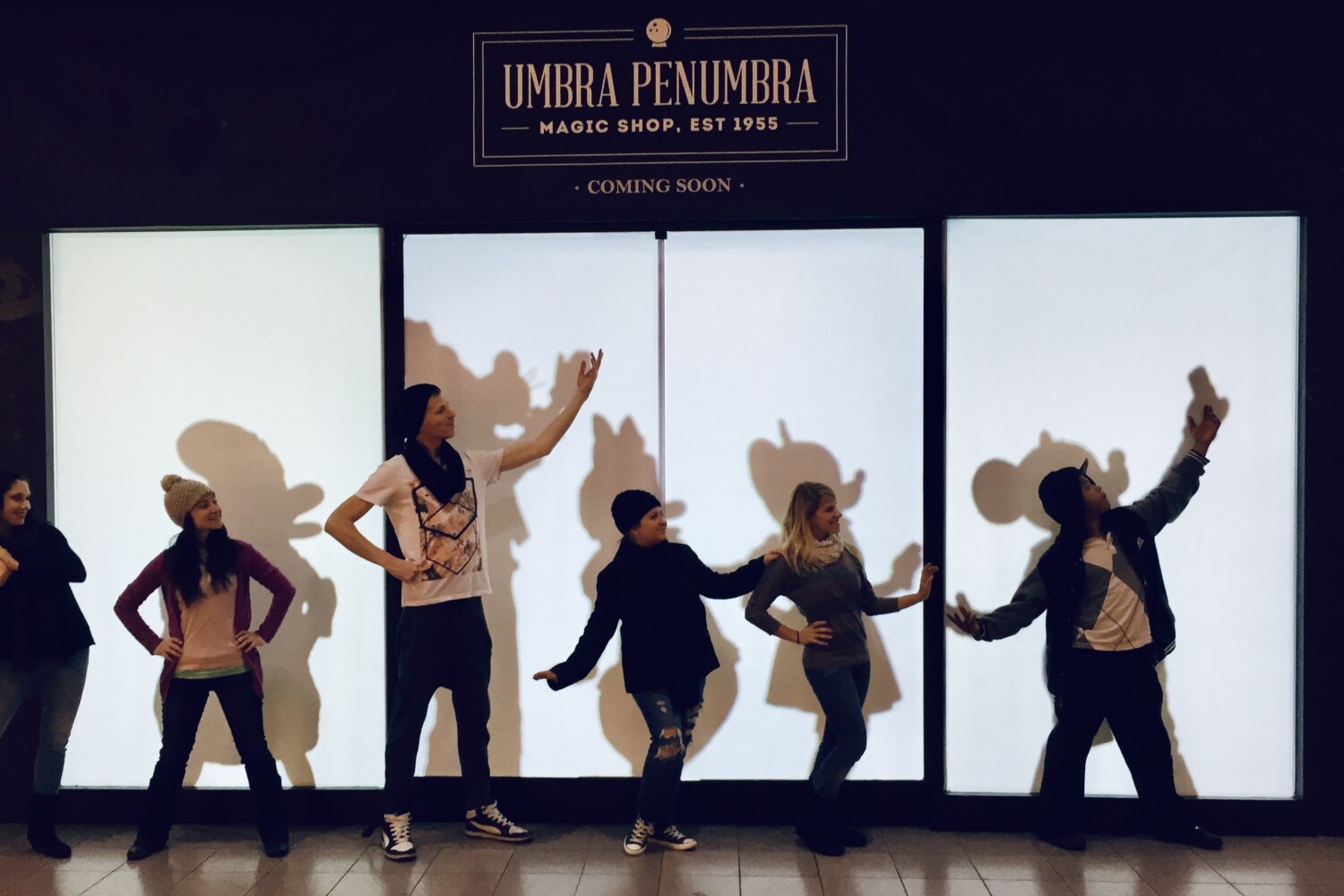
When it comes to out-of-home advertising, events, and experiential marketing, the industry has actively embraced this trend. Brands are scrambling to create activations that not only capture attention but also inspire participation and social sharing. Hard to believe it was a decade ago that I helped the Disney Parks team bring the #MyDisneySide campaign to life in New York. A brilliant example of how audience participation and simple technology can transform a brand hashtag into something truly magical. It took a few brave clients and stakeholders at one of the world’s largest entertainment brands to bring this to life [props to you, Duncan, John, Alex, and Jay]. By the end, there were hundreds involved in the production—from creative, tech, performance, broadcast, marketing, and digital teams—all aligned to deliver a four-day fun experience for potentially 5,000 locals, worthy of capturing the attention, hearts, and minds of millions around the world when turned into a snackable piece of film content. Across all channels, it was seen over 400 million times… and it’s still going.
While creative storytelling was integral to the success of the Tincup and Disney examples, the use of technology was a key enabler of these experiences. For Tincup, geocached, GPS-tracked, digitally sealed lockboxes held the prizes and delivered real-time updates on their location. Social networks and Reddit channels engaged fans while they were on the trails and the hunt. Our array of smart trap cameras and drones captured the would-be hunters and the three finds in real-time. The tech’s job was to enhance the creative messaging, enable the competition, and allow the story to be captured and retold—all while being completely invisible to the consumer. These activations, blending physical and digital elements, have become more prevalent as modern marketers look to engage audiences. Today’s consumers don’t want to be passive recipients of brand messaging; they crave these highly personalised, niche experiences that surprise and delight them in the spaces they frequent—whether on their way to work, school, or during leisure time. I guess that’s why stunts like this for EE from Really Creative are so amazing.
Creative use of technology has played a huge role in this marketing evolution, but its implementation must be employed thoughtfully and purposefully. The goal for the modern marketer is to allow tech to enhance the creative, narrative, and experience—not overshadow it. As we move forward, the brands that succeed (especially with AI playing a huge role) will be those that understand how to blend innovation with authenticity, creating moments that resonate deeply with their audiences and leave a lasting impression. I really do think the resurgence of the Experience Economy isn’t a trend—it’s a fundamental shift in how audiences and brands create, connect, and communicate their value in the real world. And for those of us who thrive on storytelling and innovation, it’s an incredibly exciting time indeed.